
ACX Industries is a U.S.-based advanced materials and hot-zone solutions company serving high-temperature manufacturing industries.
Built on decades of experience in crystal growth, hot-zone engineering and advanced carbon materials, we combine materials expertise, component engineering and process understanding to create solutions that improve performance, reliability and operating value.
We look beyond the individual part to understand how materials, geometry and process conditions interact within the complete hot zone — from thermal conductivity and expansion at the material level, through component geometry and heat-flow paths, to the temperature distribution and process conditions the hot zone experiences in service.
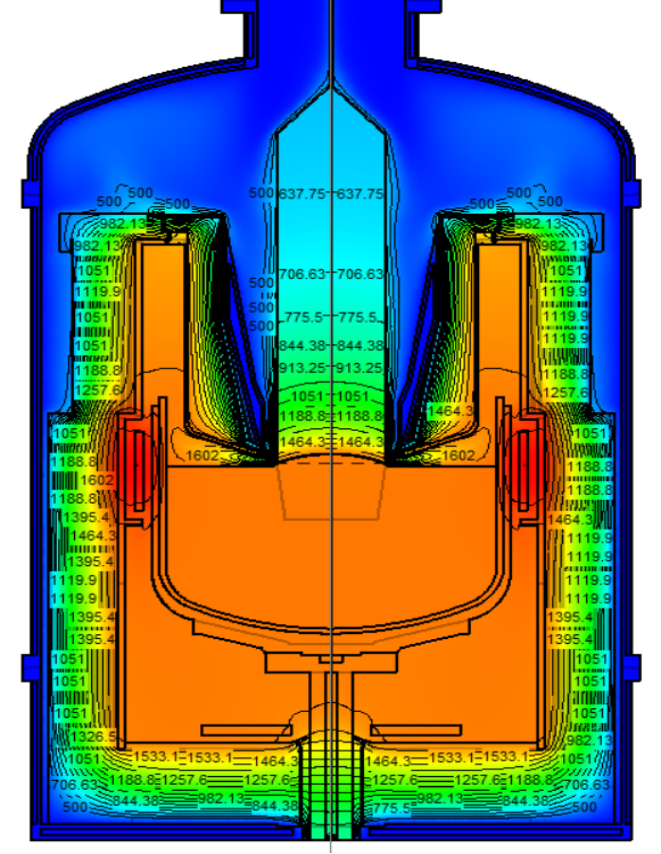
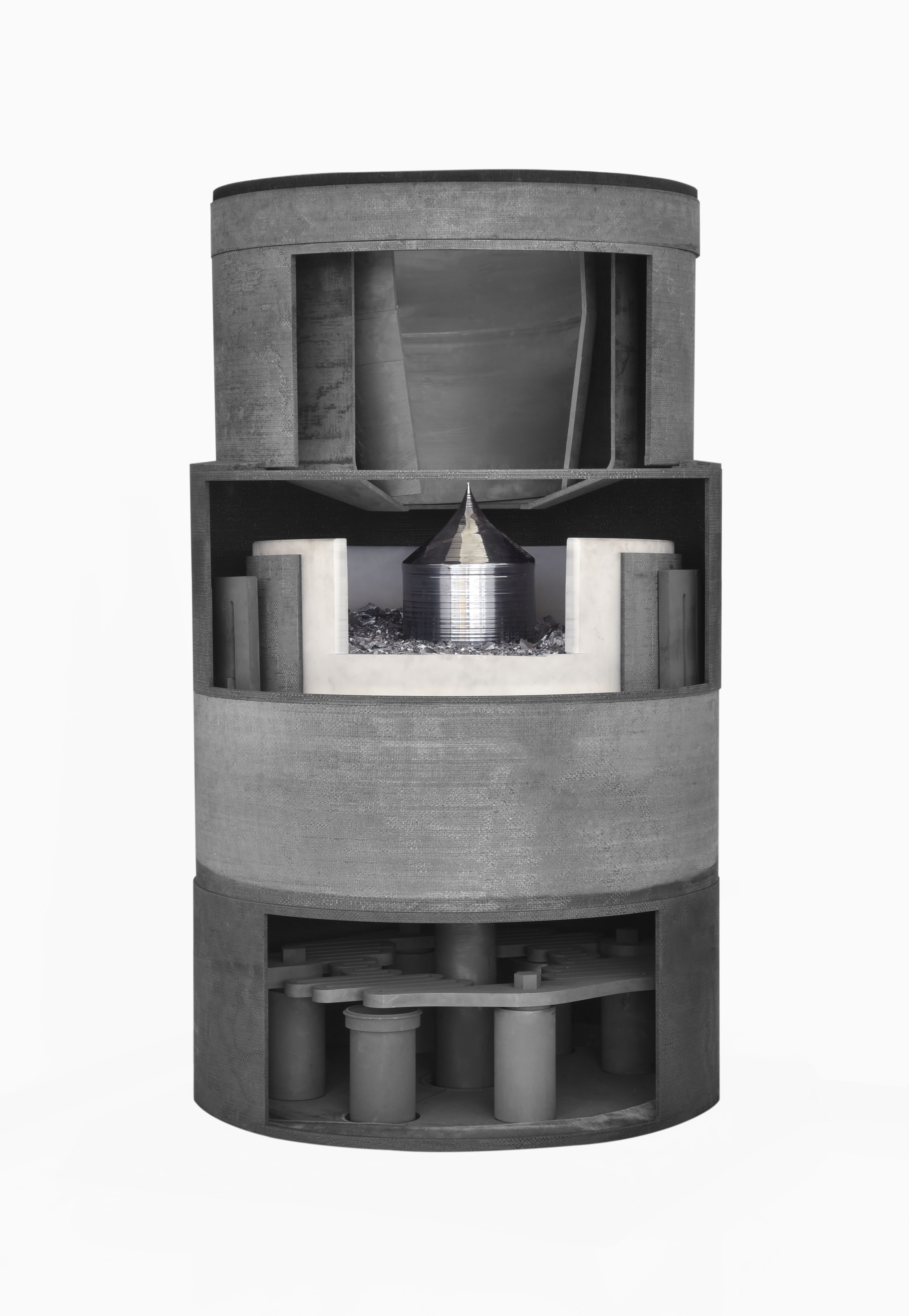
Hot-zone performance is determined by the interaction of materials, geometry, thermal behavior and process conditions. ACX combines practical crystal-growth experience with thermal modeling and material engineering to evaluate the complete system — not just individual components.
Thermal conductivity, thermal expansion, strength, electrical properties.
Component shape, wall thickness, spacing, heat-flow paths.
Temperature distribution, gradients, heat loss, thermal response.
Temperature, atmosphere, thermal cycling, operating requirements.
Energy efficiency
Melt stability
Component life
Productivity
As our customers' technologies evolve, ACX will continue to invest in engineering, manufacturing and U.S. localization to create long-term value together.
From material selection and component design to hot-zone optimization and process support.
Developing better materials, manufacturing technologies and engineered solutions for demanding high-temperature processes.
Building local manufacturing and support capabilities to improve responsiveness, supply security and customer collaboration.
The market context ACX is preparing to serve — a 2028 U.S. outlook.
Graphite · carbon composite · insulation. Precision machining, inspection and material characterization. Target operational by end of 1H 2027.
Carbon composite manufacturing · short-fiber insulation manufacturing. Target operational during 1H 2028.
Materials → Machining → Advanced Manufacturing → Engineering → Customer Support.
All three core material families — graphite, carbon composite and insulation — require precision machining. It is the fastest, most capital-efficient foundation for U.S. localization.
Site selection under evaluation: Texas Triangle · North Carolina · South Carolina.